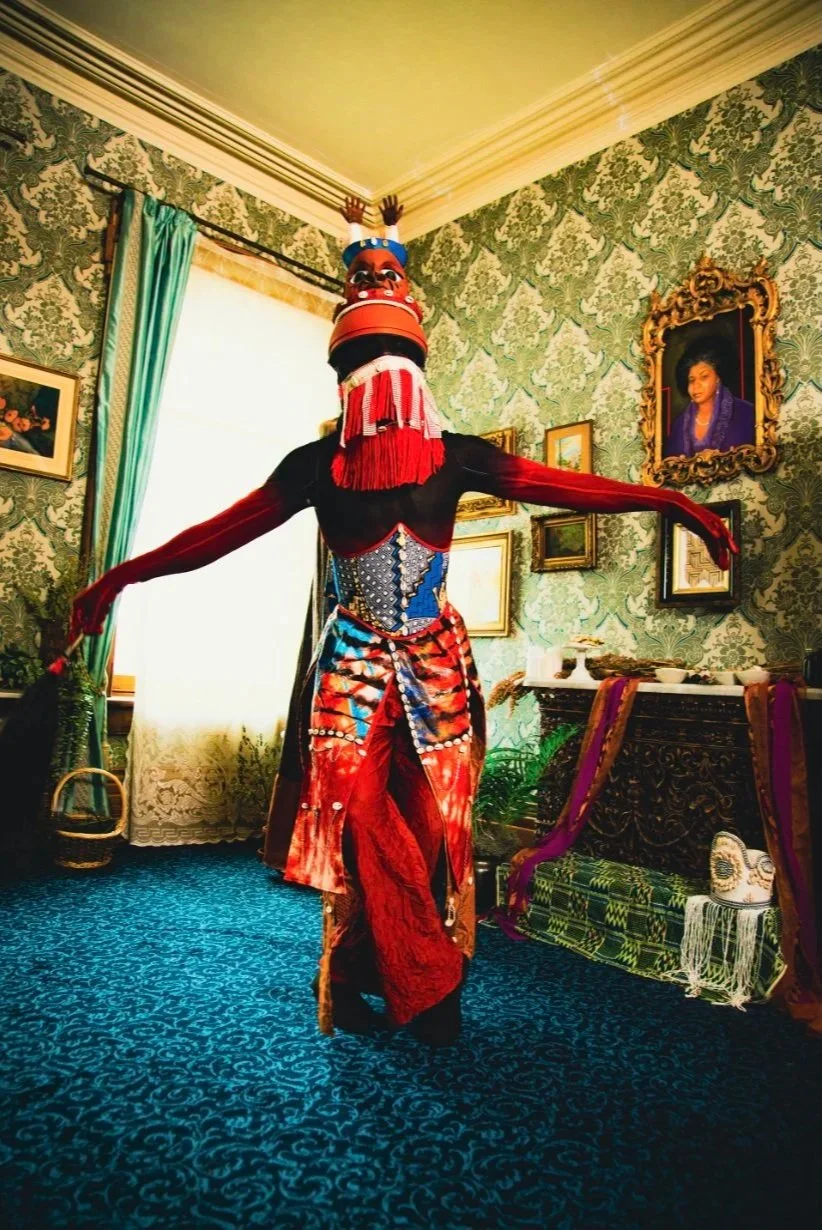
Gẹlẹdẹ Queens
2023 · Photography, Sculpture, Performance
A photographic and performance project reimagining the Yoruba Gélédé masquerade through a contemporary diasporic lens. The work honors the Ìyàmi, matriarchal lineages within Yoruba cosmology, while examining gender fluidity embedded in sacred masquerade traditions. Shot within colonial-era architecture in the Toronto History Museum (Spadina House), the series creates spatial interventions that reclaim historical sites as ceremonial ground.
Medium Digital Photography
Dimensions Variable
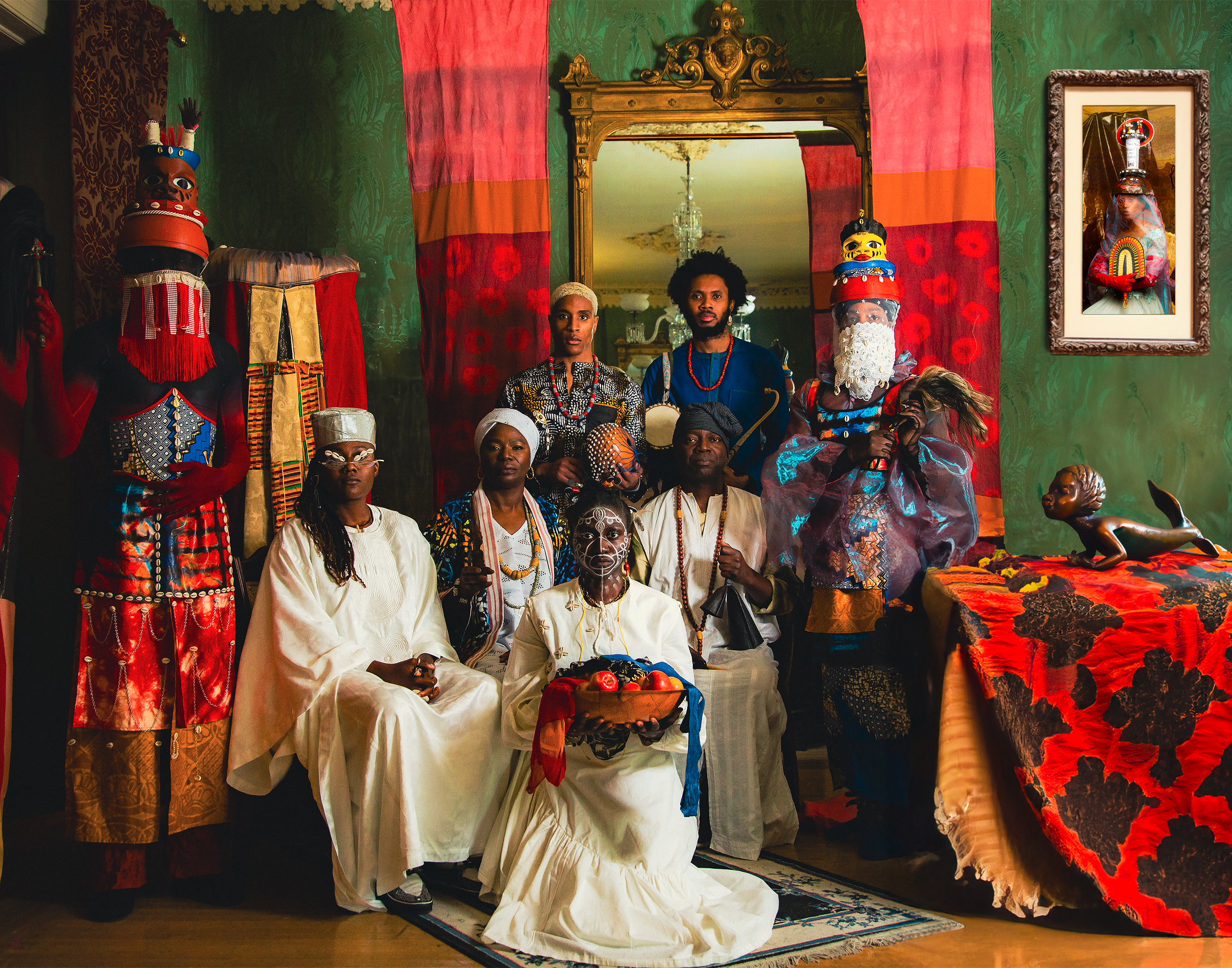
The Ancestors Council — A ceremonial composition depicting figures within the Gẹ̀lẹ̀dẹ tradition. Standing, left to right: Ajogì (Gẹ̀lẹ̀dẹ dancer), Onílù (drummer of the Gẹ̀lẹ̀dẹ masquerade), Arugà (Gẹ̀lẹ̀dẹ dancer).
Seated, left to right: Babalásẹ̀ (chief priest of Gẹ̀lẹ̀dẹ), Ìyálásà (high priestess), Arugà (royal calabash carrier).
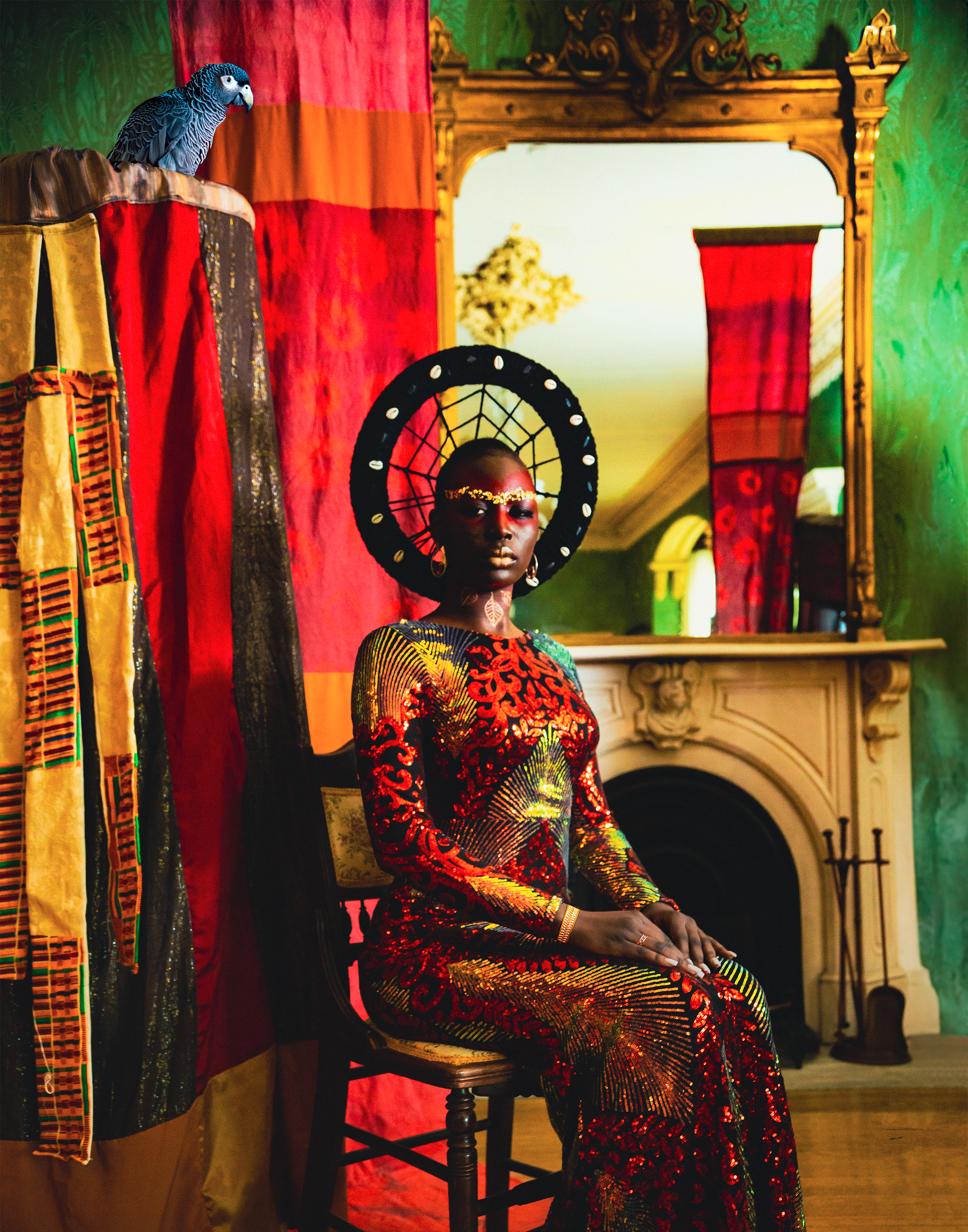
Ìyámi Ajé Pupa—The African Grey Parrot
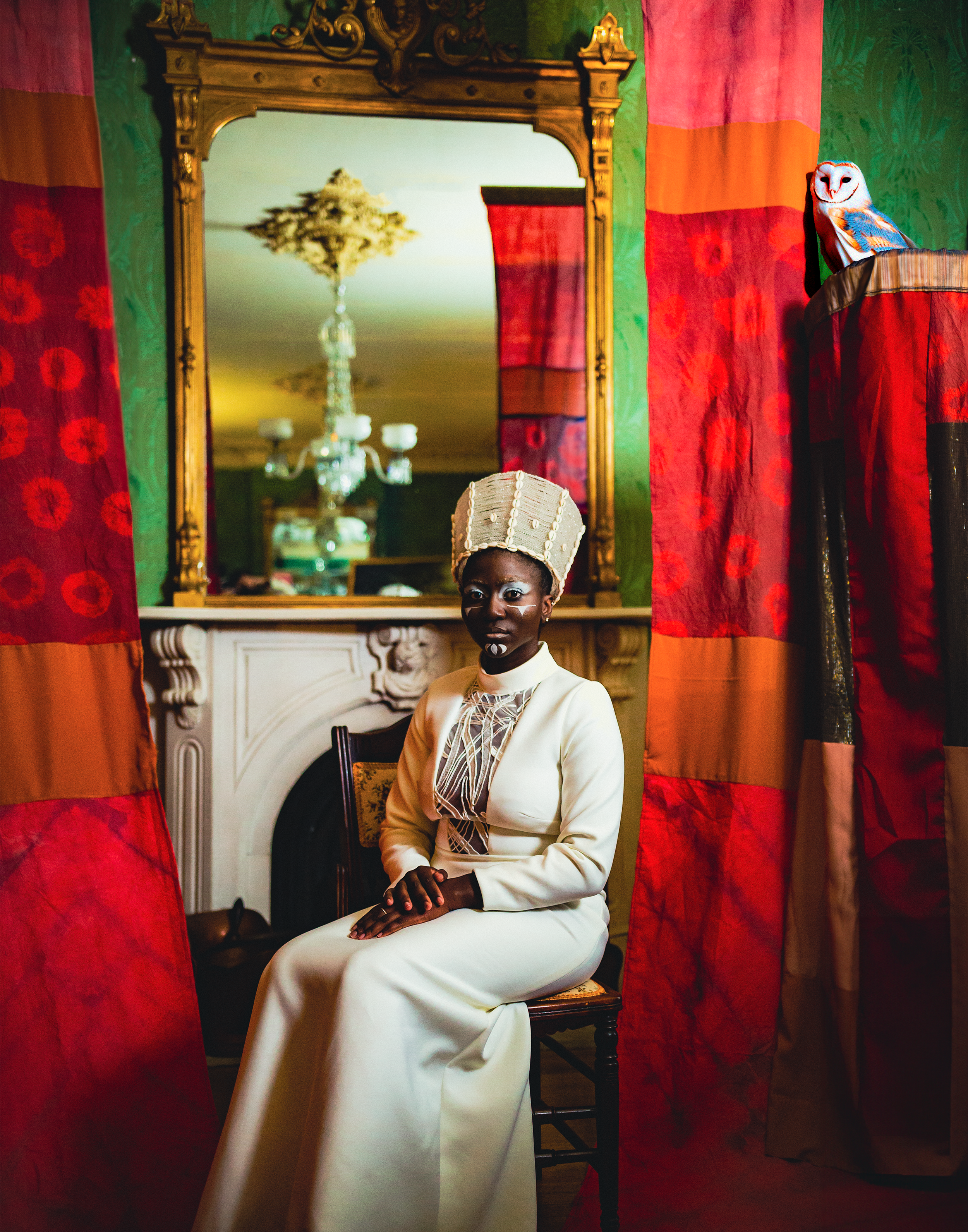
The Owl, she is the Iya of knowing
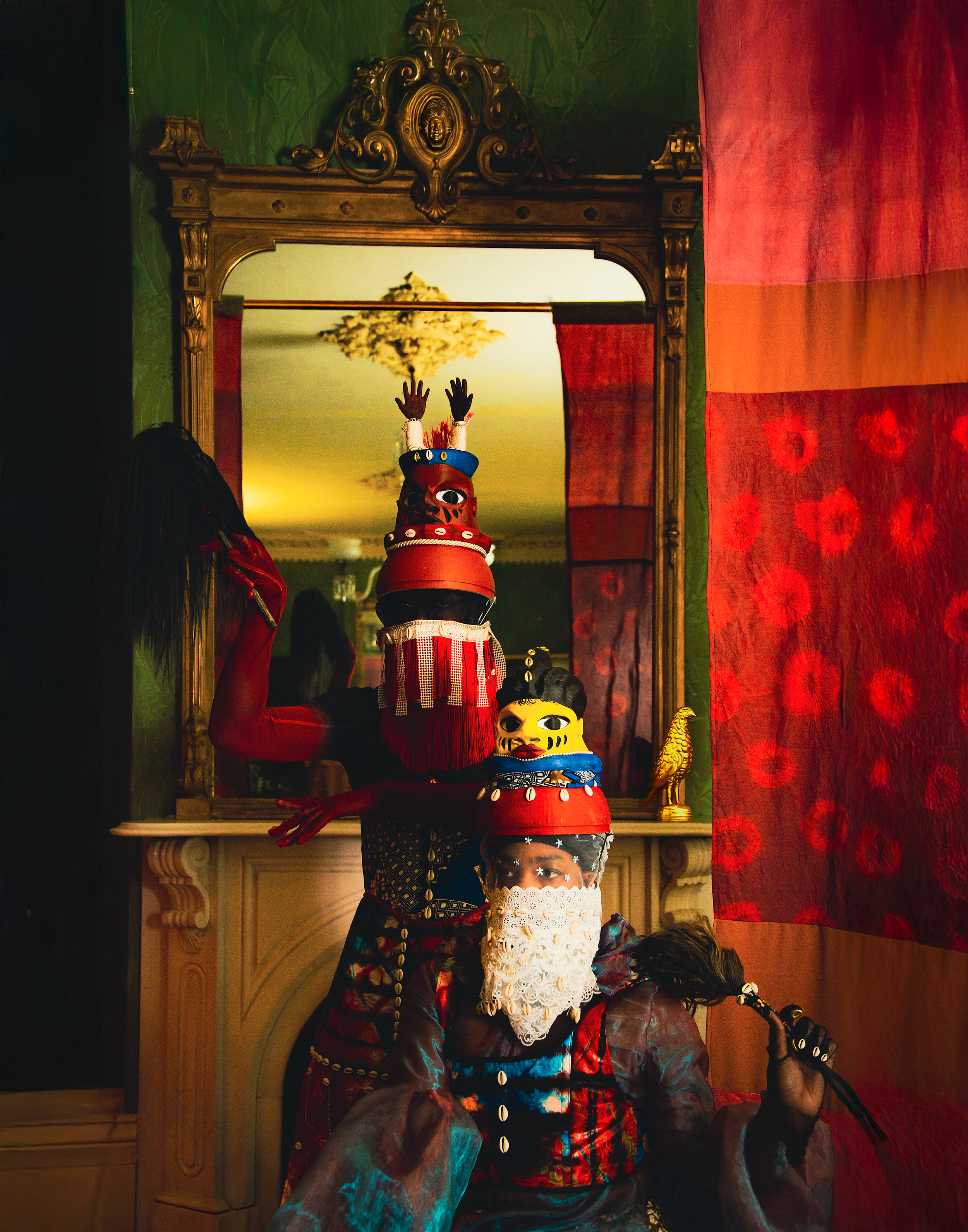
Gẹ̀lẹ̀dẹ Queens —A conceptual reinterpretation of Gẹ̀lẹ̀dẹ that draws on its performative traditions, where embodiment and transformation are used to honor the ancestral mothers and address social concerns through visual language.
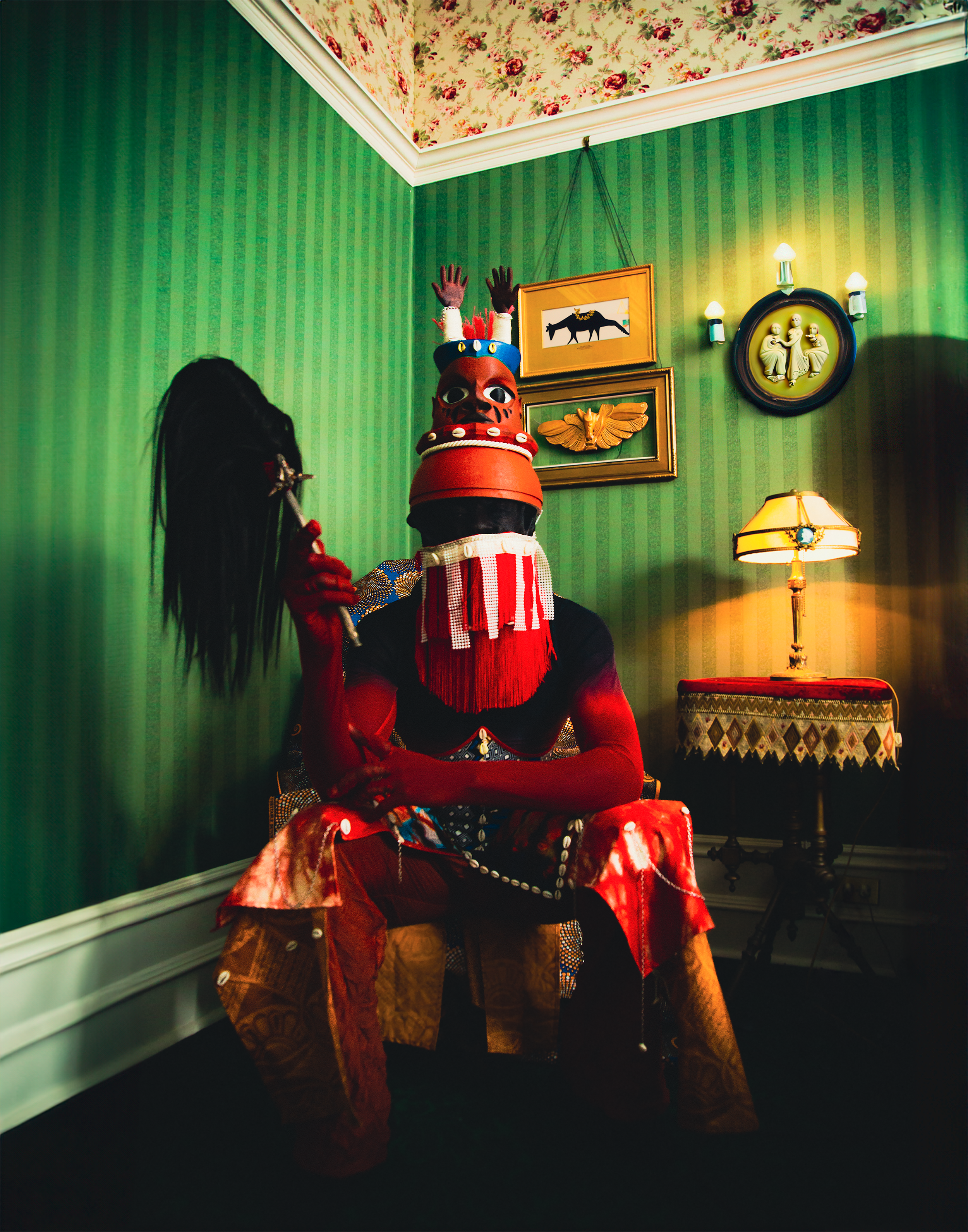
Ajógi (Gẹ̀lẹ̀dẹ Dancer) —Ajógi are Gẹ̀lẹ̀dẹ dancers who embody femininity to honor the ancestral mothers and their enduring spiritual authority.
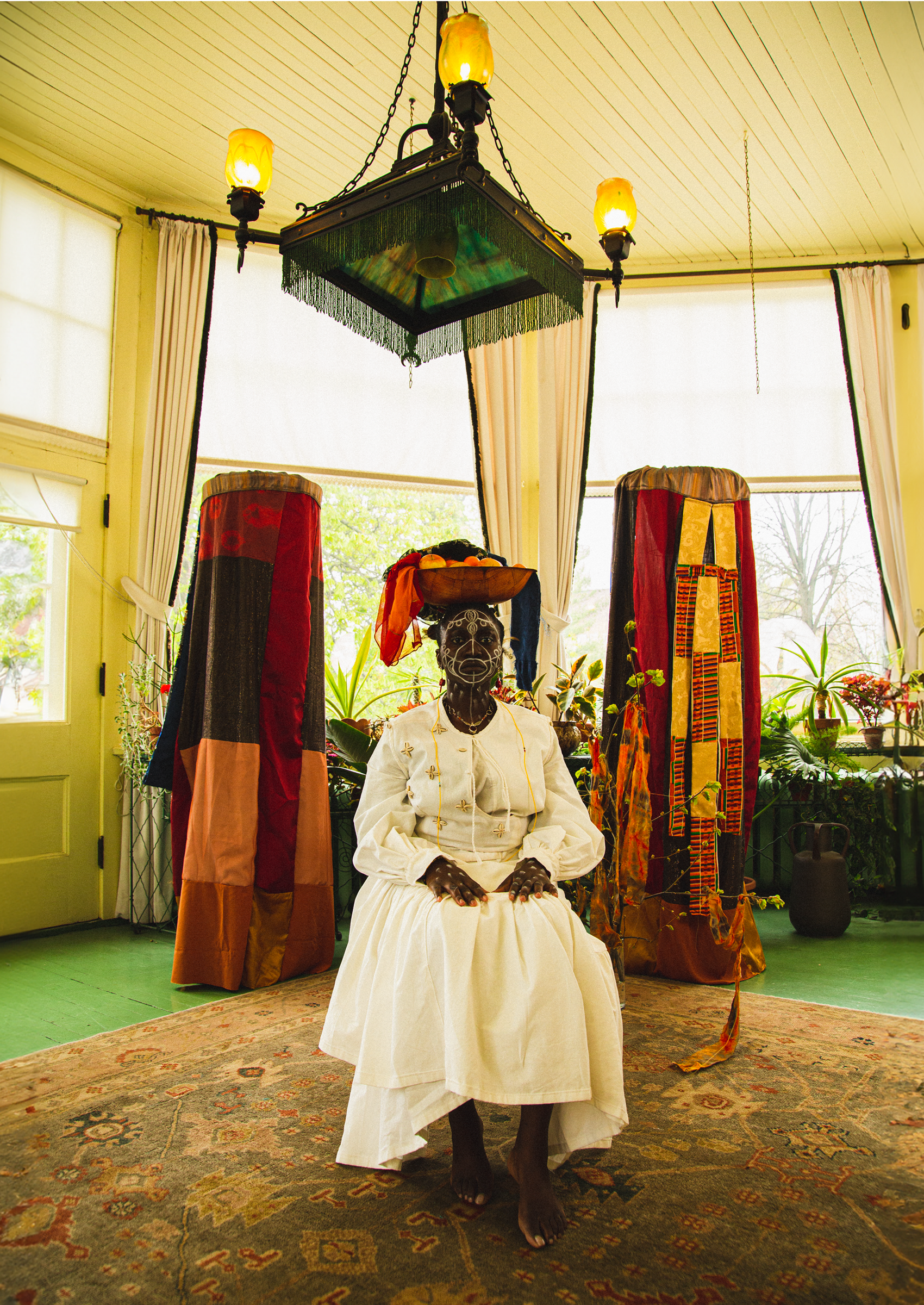
She Who Bears the Calabash of Existence — Arúgbà I & II Arúgbà is a central figure within the Òṣun-Òṣogbo festival, traditionally a young woman from the royal lineage who carries the sacred calabash of offerings to the grove. Entrusted with spiritual and communal significance, she serves as a vessel of continuity between the people, the ancestors, and Òṣun.
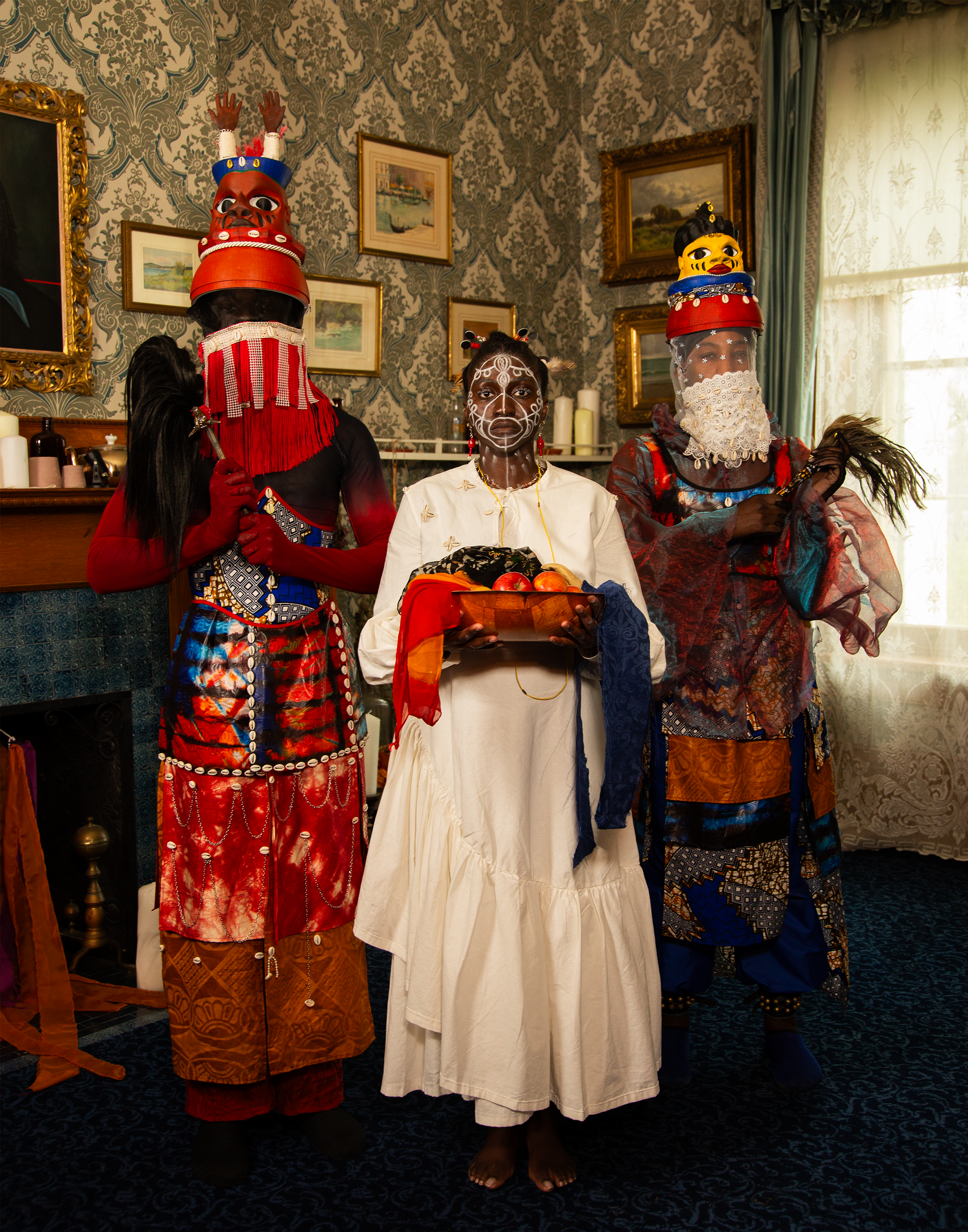
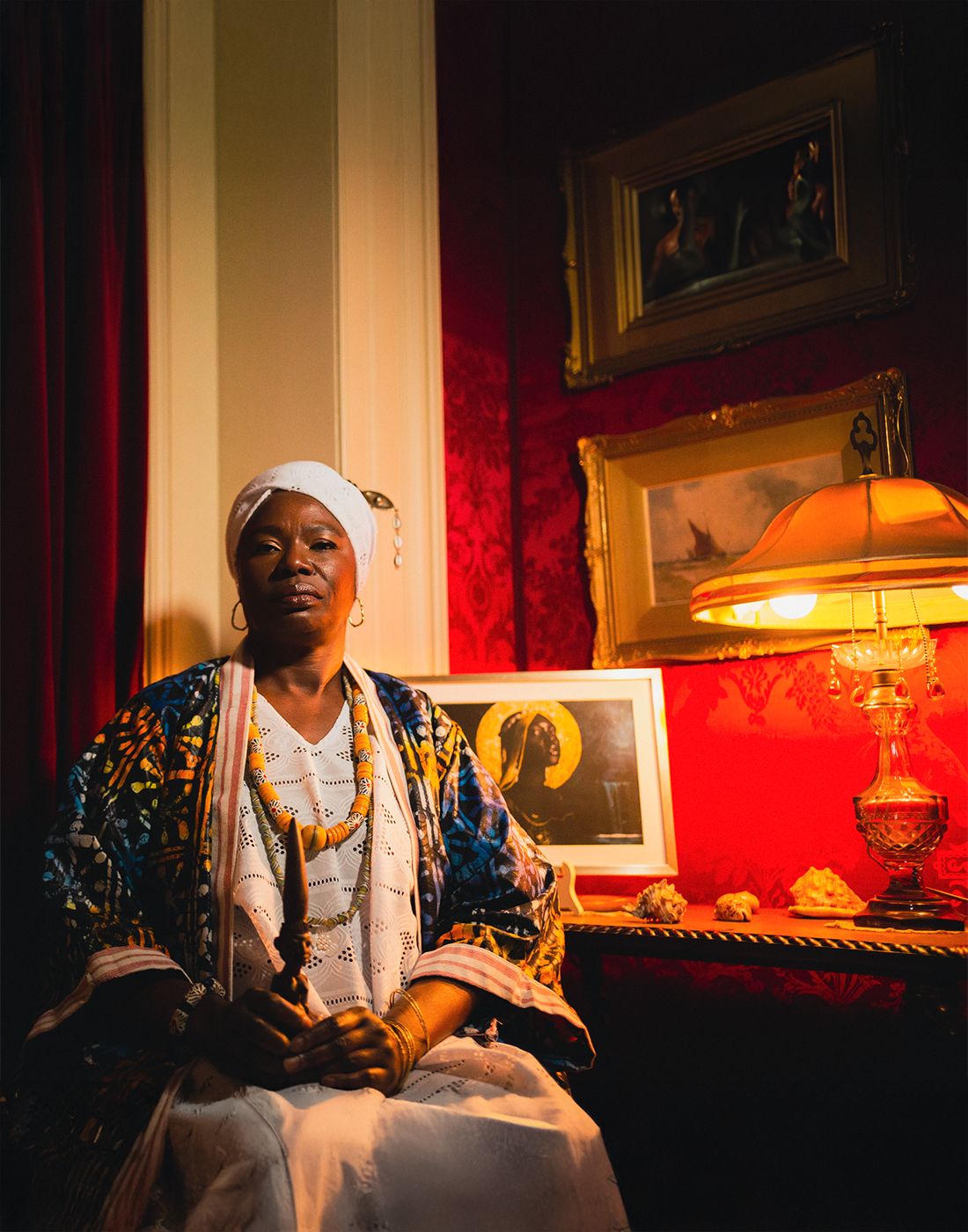
Mother of the Shrine — Ìyálásẹ̀ Ìyálásẹ̀, meaning “mother of the shrine,” is the chief priestess within the Gẹ̀lẹ̀dẹ society. She serves as a central figure in communication among the ancestral mothers (Ìyá Nlá), the community, and the shrine, holding custodianship of its spiritual and ritual practices.
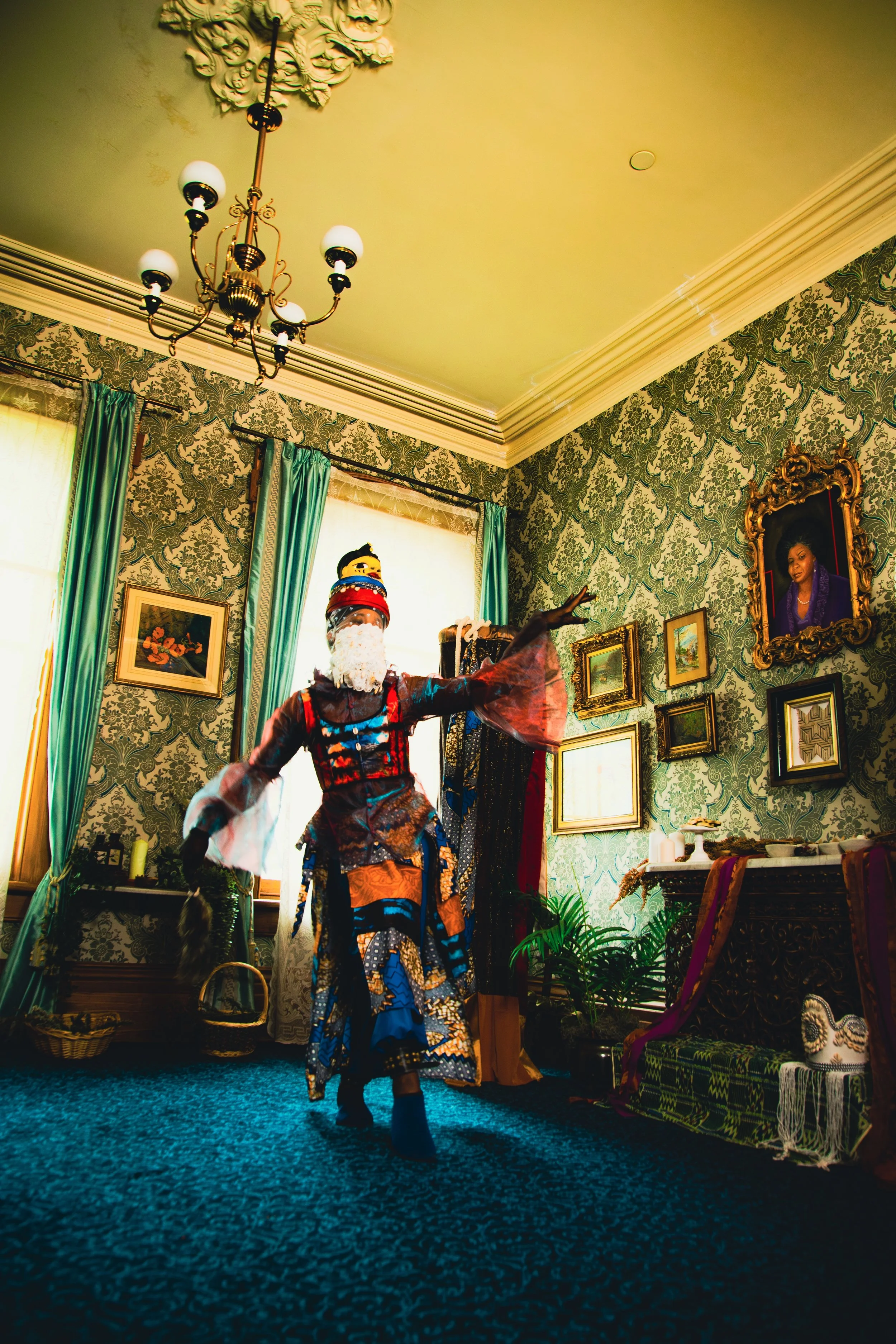
When the Peacock dances for the mothers